






Automated equipment
2024-08-06(470) hits
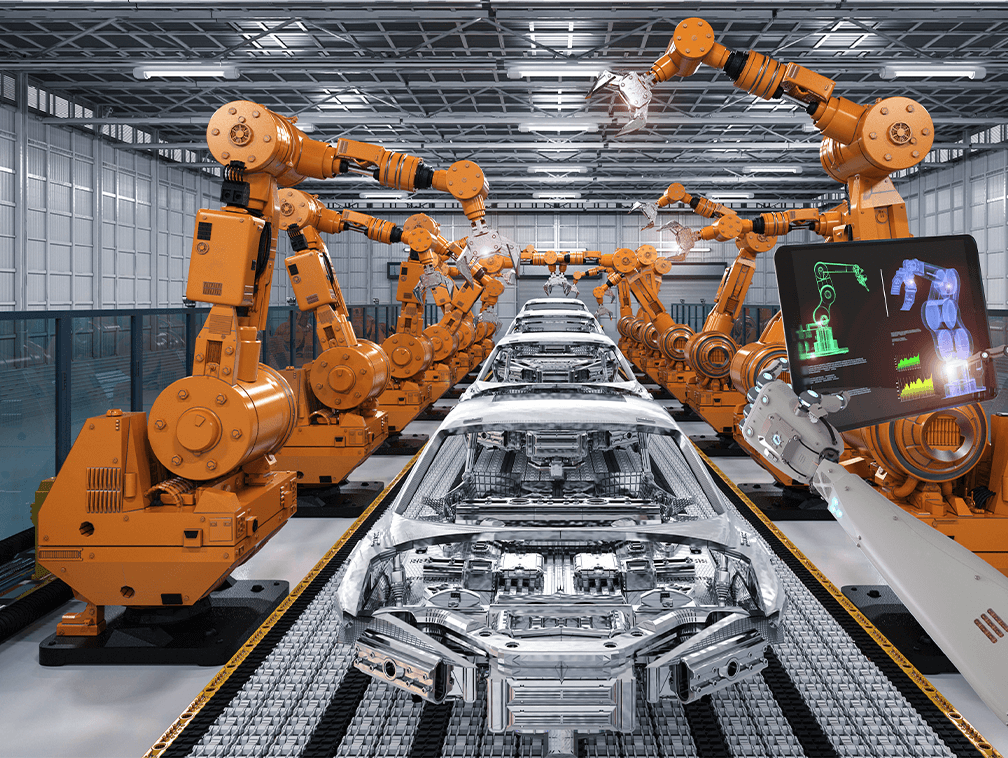
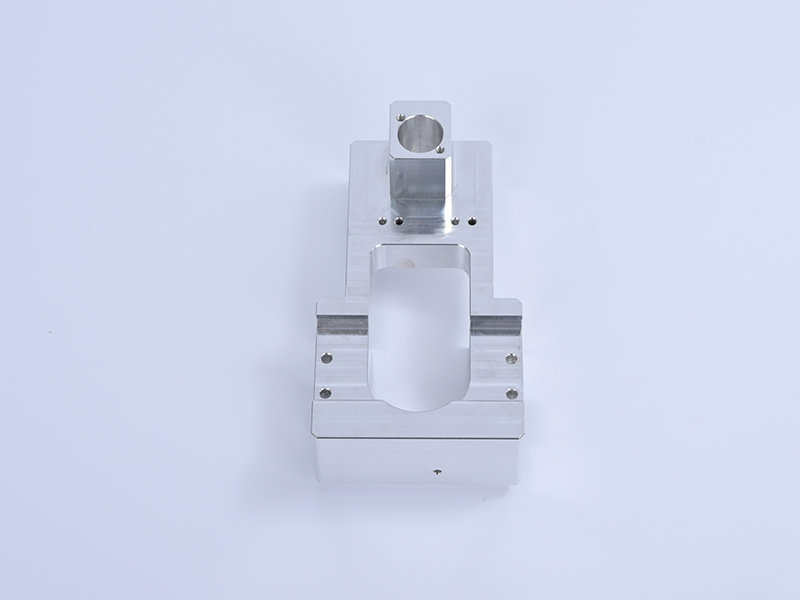
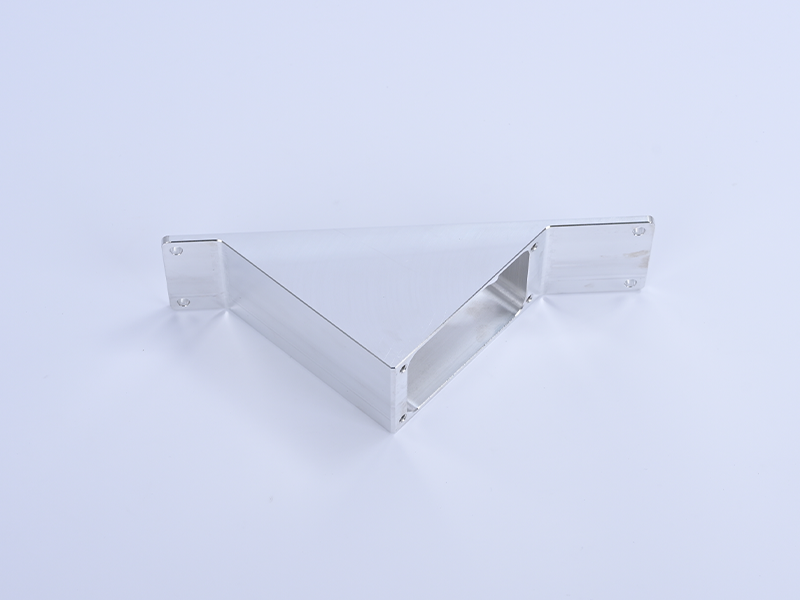
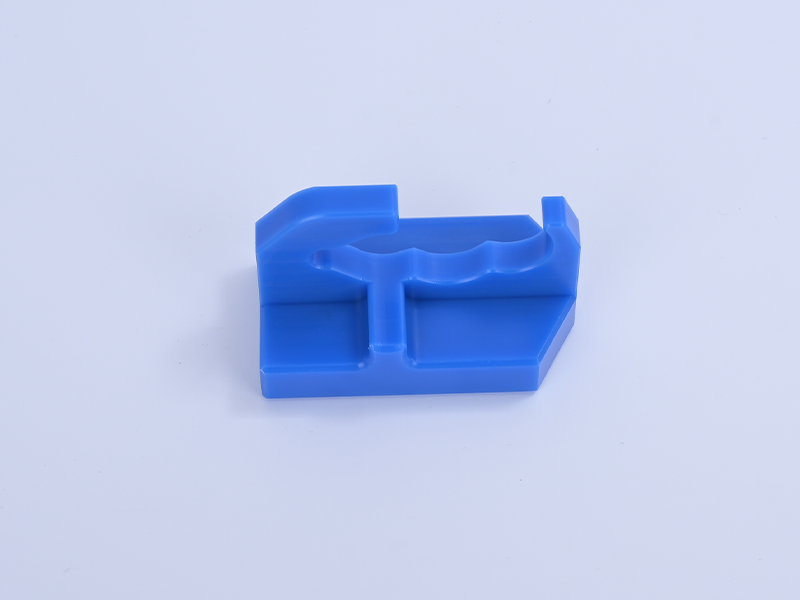
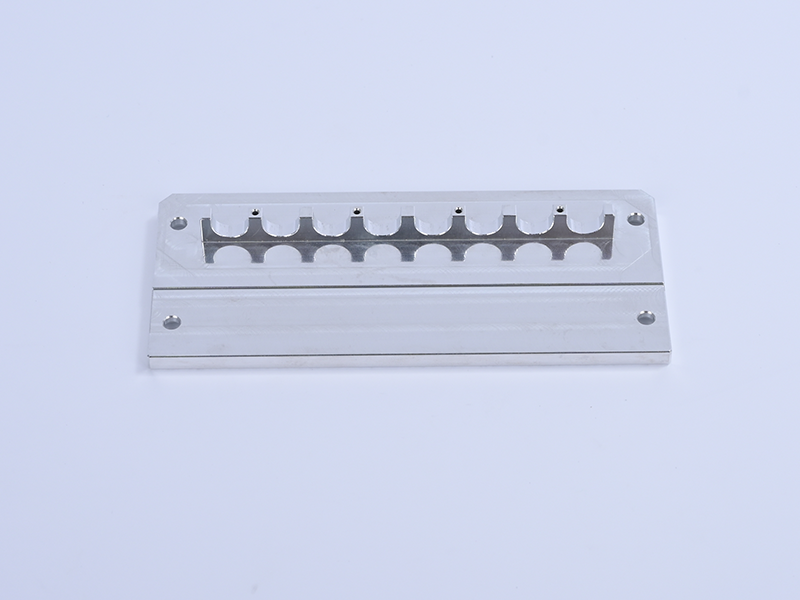
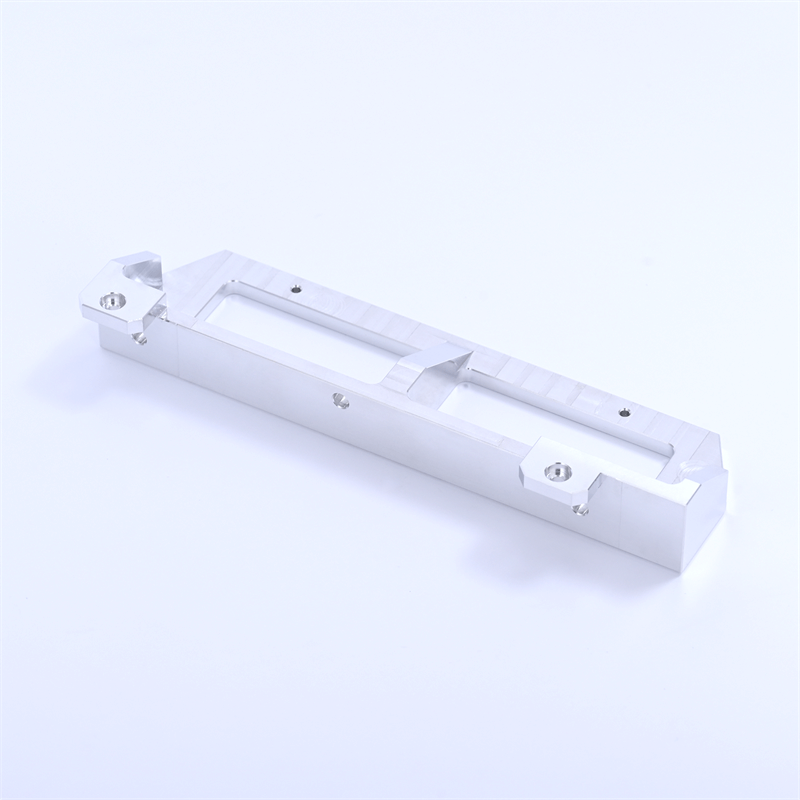
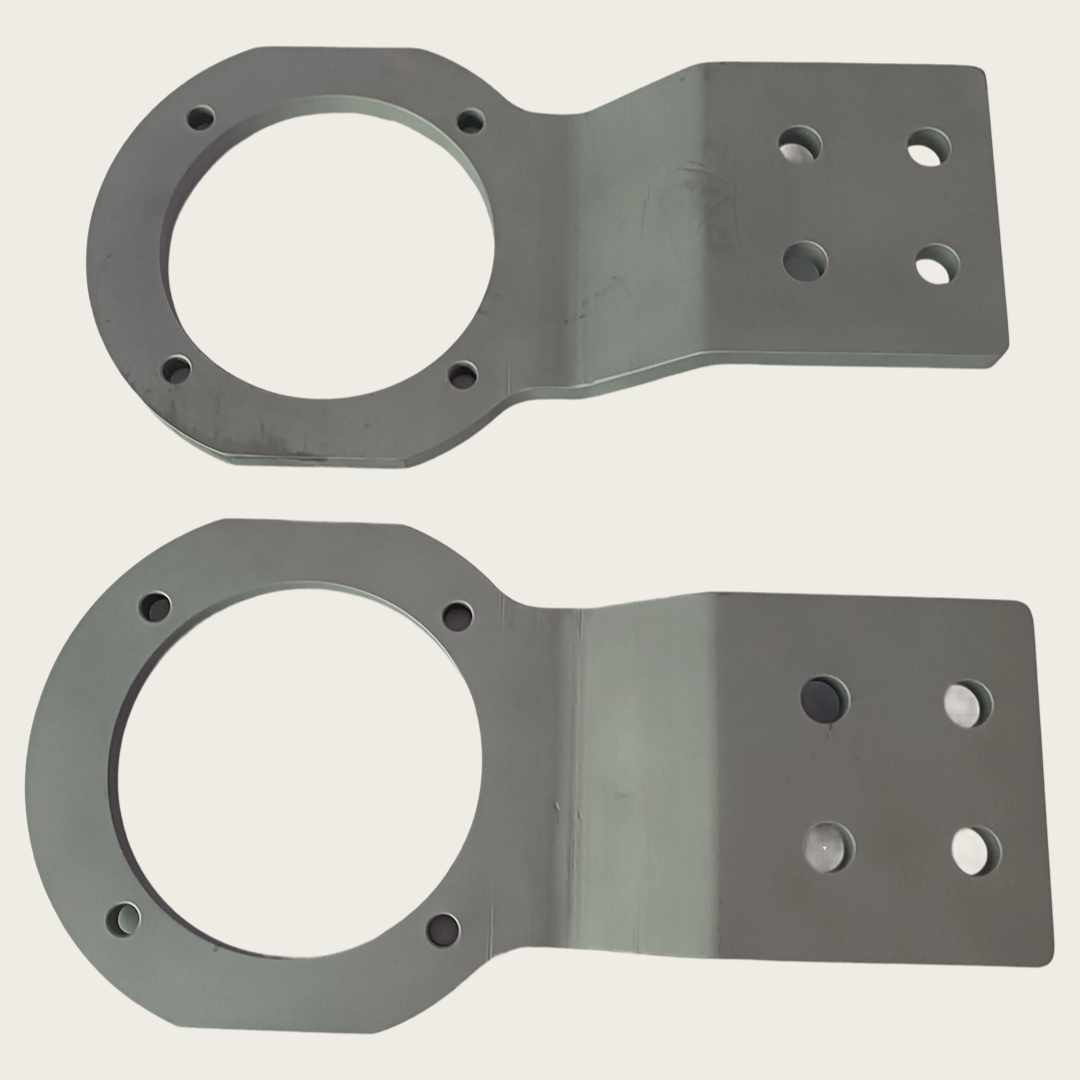
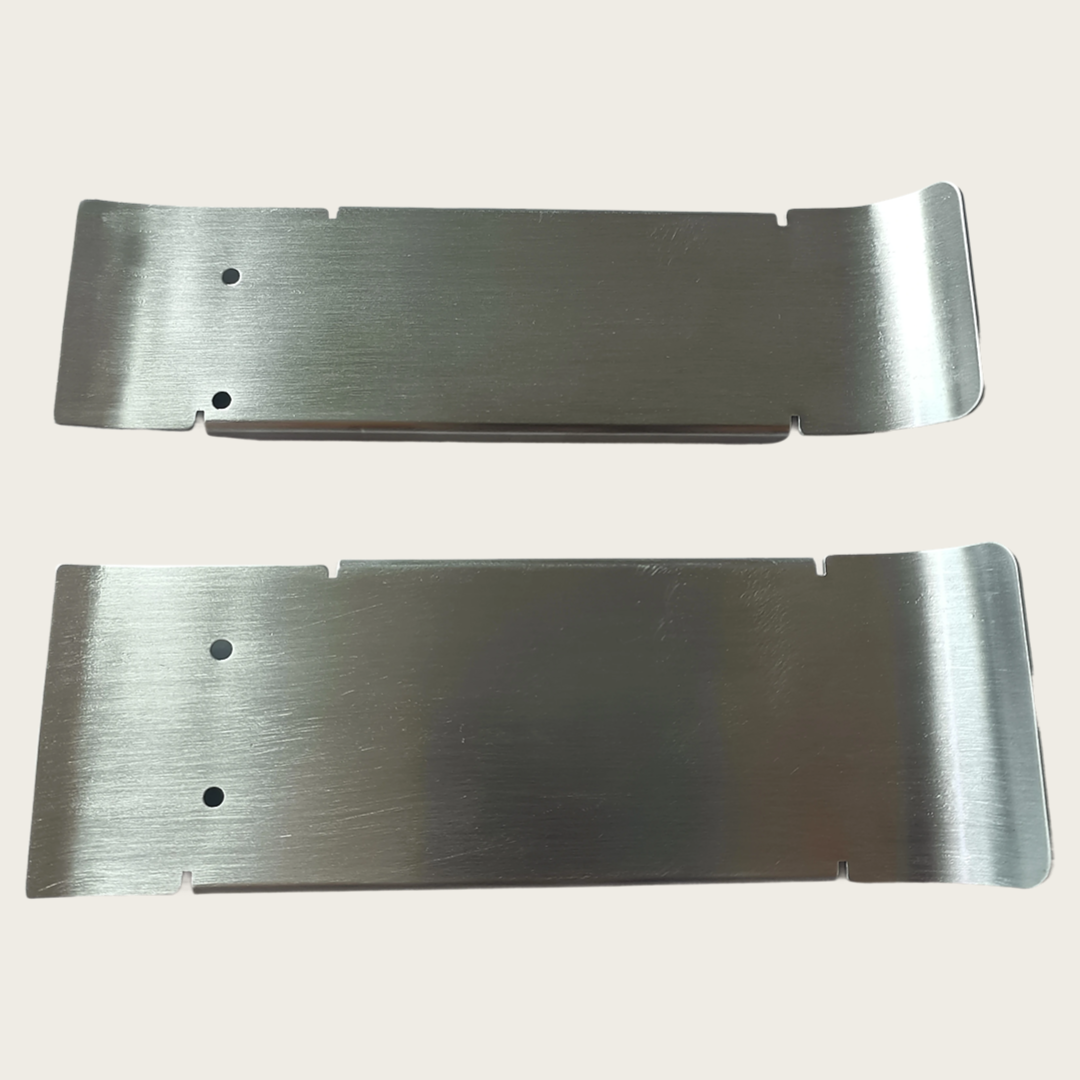
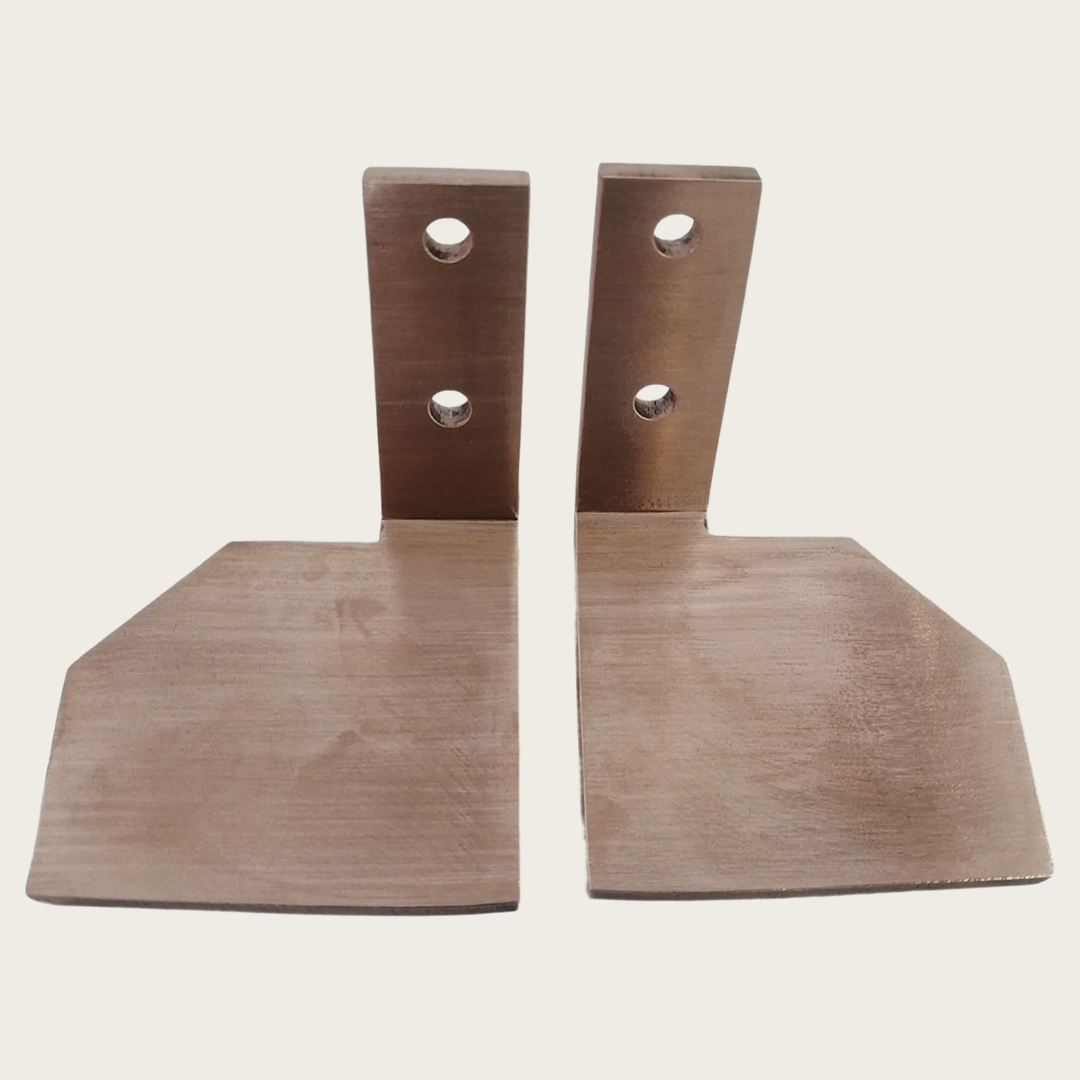
The application of precision molds in the automation equipment industry mainly lies in three aspects: enhancing production efficiency, ensuring processing accuracy, and achieving automated production. Specific application scenarios include:
Precise positioning of automated production lines
Precision molds ensure the stability of workpieces during the processing through high-precision positioning systems (such as wire cutting fixtures), preventing errors caused by vibration or movement, and at the same time shortening the loading and unloading time to improve production efficiency.
Mass production of complex parts
In the automotive industry, precision molds need to meet the processing requirements of high-strength materials (such as high-strength steel above 590MPa), while controlling the dimensional accuracy of key parts within ±0.02mm to ensure consistency in batch production.
Integration of intelligent manufacturing technologies
Digital design simulation technology optimizes the mold structure, shortens the development cycle (for example, the development of the inner panel mold for car doors was completed in 22 days), and integrates an AI predictive rebound compensation algorithm to improve the compensation accuracy by 60%, achieving virtual debugging.
Cross-disciplinary technology collaboration
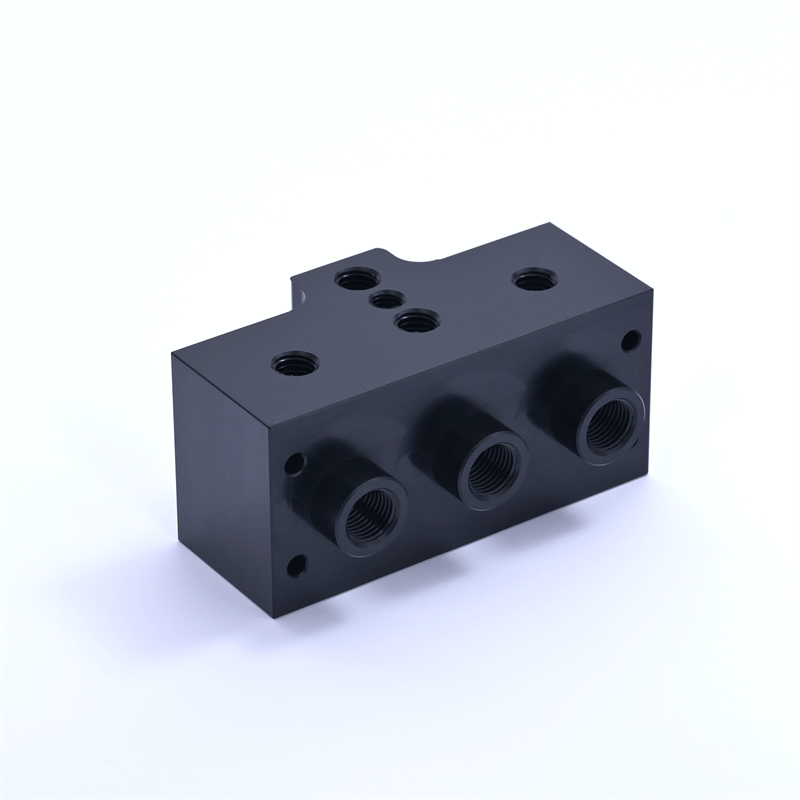
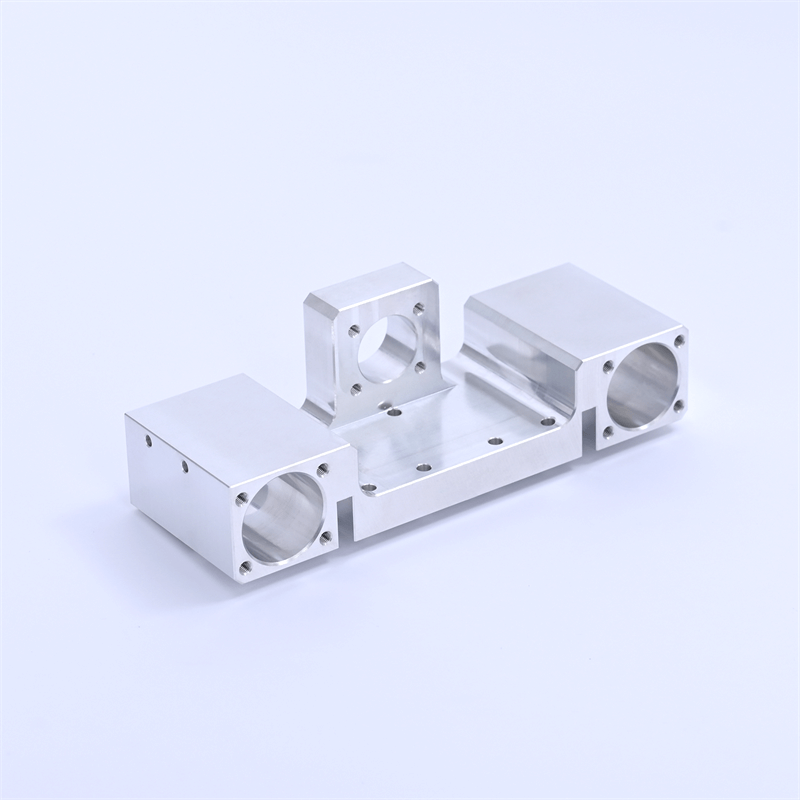
Precision molds are combined with equipment such as hydraulic integrated blocks and gantry linear modules to achieve precise control of material handling, assembly and inspection processes in automated production lines, thereby enhancing the overall level of automation.