






Medical devices
2024-08-06(441) hits
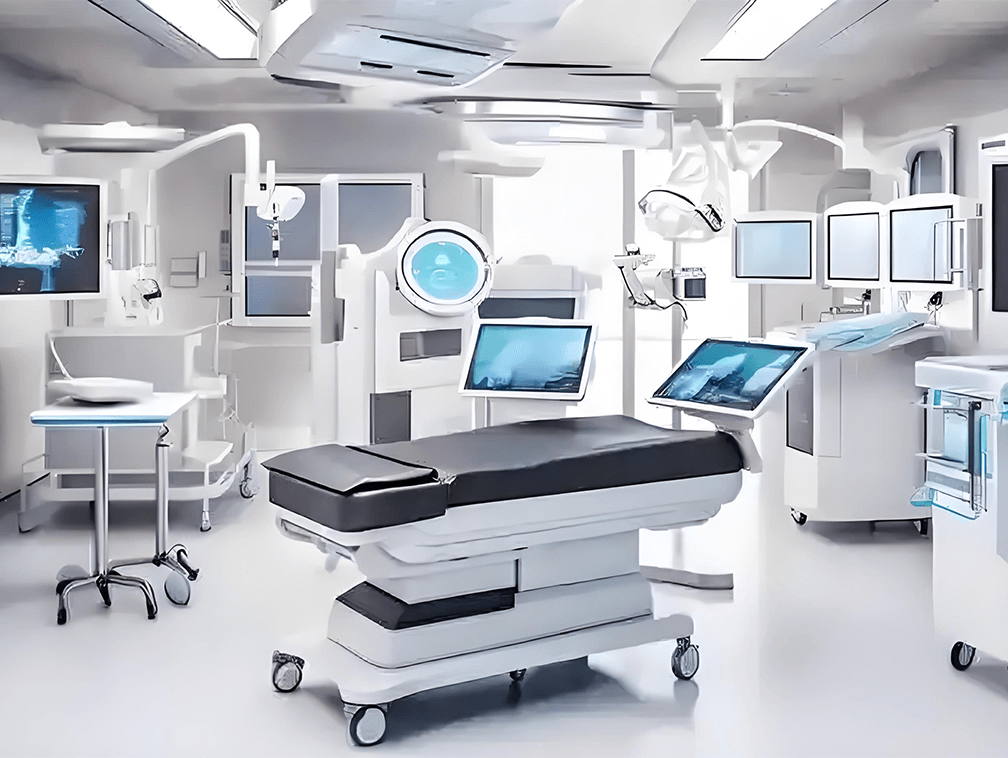
Precision molds are mainly applied in the following fields in the medical device industry:
Manufacturing of surgical instruments
Precision molds can produce PEEK material surgical instrument handles, connectors and pliers and other components. These components need to withstand high-temperature sterilization and high mechanical stress. The molds should be made of high-temperature resistant materials (such as nickel-based alloys) and the gating system design should be optimized to ensure performance.
Implant production
Orthopedic implants (such as intervertebral fusion devices) and pacemaker housings and other components need to achieve bionic trabecular bone structures through precision molds to promote bone cell growth and meet biocompatibility standards (such as ISO 10993).
Development of diagnostic equipment
The enclosures of in vitro diagnostic devices (such as blood glucose meter sensors) and medical imaging equipment rely on precision molds to manufacture tiny structures, ensuring detection accuracy and anti-contamination design.
Production of disposable consumables
Disposable medical devices such as syringes and infusion bags achieve high-precision size control and surface smoothness through precision molds, reducing the risk of infection for patients.
Innovation in material processing
The production efficiency is enhanced by adopting technologies such as 3D printing and multi-chamber injection molding. For instance, 96 insulin injection pen components can be produced simultaneously, or new types of implants like PLA bone screws can be developed through degradable material molds.